
WelkomNL Blog
Finding a Rental Home in the Netherlands: A Complete Guide for Expats (2026)
Learn how to find rental housing in the Netherlands, understand income requirements, avoid scams, and navigate the competitive rental market.
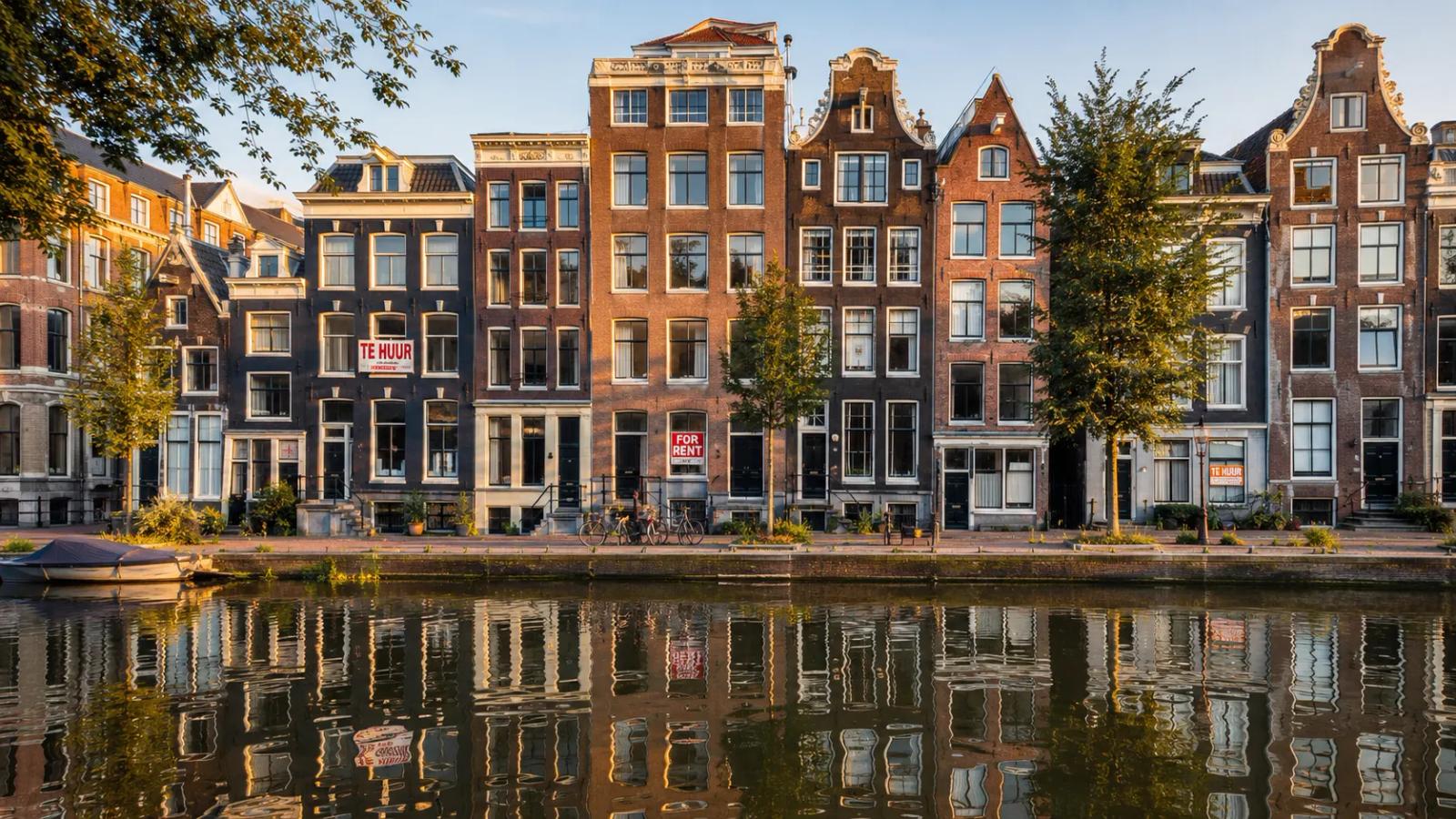
Finding a place to live is often the most stressful part of moving to the Netherlands. The rental market — especially in cities like Amsterdam, Utrecht, and Eindhoven — is highly competitive, with strong demand and limited supply pushing rents upward year after year. But with the right approach, the right platforms, and realistic expectations, most newcomers find suitable housing within four to eight weeks.
This guide covers everything you need to know about renting in the Netherlands in 2026 — where to look, what landlords expect, how to stand out as an applicant, and how to protect yourself.
The State of the Dutch Rental Market in 2026
The Netherlands faces a structural housing shortage, particularly in the major cities. High demand from students, young professionals, and international workers has pushed average rents upward significantly over the past several years. In Amsterdam, the average rent for a two-bedroom apartment now typically starts around €2,200–€2,800 per month. Rotterdam and Eindhoven offer better value, with comparable apartments available from €1,500–€2,000.
In 2024, the Dutch government introduced the Affordable Rent Act (Wet Betaalbare Huur), which expanded rent regulation to mid-market housing. This has created some complex dynamics in the market — some landlords pulled properties from the rental market, others shifted to higher segments. Understanding this context helps you set realistic expectations.
Top Platforms to Find Rental Housing
Funda (funda.nl)
Funda is the largest property platform in the Netherlands, covering both sales and rentals. It draws listings from real estate agents across the country and is the most comprehensive single source for the private rental market. Many landlords and agents list exclusively on Funda.
Pararius (pararius.nl)
Pararius specialises in rentals and is particularly popular with expat-oriented landlords and agents. Many listings include English descriptions and the platform tends to have a higher proportion of furnished and expat-ready properties. It also has an English-language interface.
OnlyExpats (onlyexpats.nl)
As the name suggests, OnlyExpats lists properties specifically selected for the international market. Landlords and agents on the platform are accustomed to renting to non-Dutch tenants and communication is conducted in English.
Kamernet (kamernet.nl)
The go-to platform for rooms in shared houses, particularly popular with students and young professionals. Useful if you need temporary housing while looking for a longer-term option.
Direct Woningzoeker and HousingAnywhere
HousingAnywhere caters specifically to international students and young professionals and lists both short-term and long-term rentals across the Netherlands. Direct Woningzoeker aggregates listings from multiple platforms and is useful for setting up alerts.
Alert Tools to Beat the Competition
The private rental market moves fast. Good listings in popular cities can receive dozens of complete applications within hours of going online. Using alert services gives you a critical edge:
- RentSlam — monitors multiple platforms simultaneously and sends instant notifications when a new listing matches your filters
- Stekkies — real-time alerts for Dutch rental listings, popular with young professionals
- Rentbird — aggregates listings from multiple sources with flexible filter options
Set your filters to realistic parameters. Being too specific (only unfurnished, specific streets, maximum one week notice) will dramatically reduce the volume of suitable alerts.
What Income Proof Do Landlords Require?
Most Dutch landlords and real estate agents apply an income rule of three to four times the monthly rent in gross income. This means if you want to rent a property at €1,800 per month, you need to demonstrate a gross income of at least €5,400–€7,200 per month.
For employed expats, you can typically provide a recent employment contract and recent payslips. For highly skilled migrants, an IND permit combined with a sponsor letter from your employer is usually sufficient. For those who are self-employed, income proof is more complex and some landlords may decline self-employed tenants.
If your income does not meet the threshold, a guarantor (iemand die borg staat) — usually a parent or another person with sufficient income — may be accepted by some landlords.
The Rental Application Process
When you find a property you want to apply for, act fast. Prepare a complete application package in advance so you can submit it immediately:
- Copy of your passport or ID
- Proof of income: employment contract and last two to three payslips
- BSN number (if you already have one)
- Reference letter from a previous landlord if available
- Brief introduction letter in Dutch or English
Some agencies use digital application platforms — have your documents scanned and ready in PDF format.
Watch Out for Rental Scams
The competitive market makes renters vulnerable to scams. Common warning signs include:
- A price that is significantly below the market rate for the area
- A landlord who claims to be abroad and asks you to transfer a deposit before viewing the property
- Requests to pay in cryptocurrency or via unusual money transfer services
- Listings with photos that appear on multiple unrelated ads
Always view a property in person before paying anything. Legitimate landlords and agencies in the Netherlands never ask for deposits before a signed contract. If the deal feels too good to be true, it almost always is.
Tenant Rights in the Netherlands
The Netherlands has strong tenant protections. Once you have a signed rental contract, you have:
- The right to a written rental contract that clearly states the rent, notice period, and conditions
- Protection against arbitrary rent increases — annual increases are capped by law
- The right to a four-week notice period if the landlord wants to end a temporary contract
- Access to the Huurcommissie (Rent Tribunal) if you have a dispute with your landlord over rent or service costs
The deposit must be returned within fourteen days of you vacating the property, minus any legitimate costs. Keep records of any damage already present when you move in.
Short-Term Housing on Arrival
If you do not have permanent housing arranged before you arrive, consider using short-term solutions while you search:
- Extended-stay hotels or aparthotels in major cities
- HousingAnywhere and Kamernet for furnished rooms by the month
- Corporate housing arranged through your employer's relocation partner
Be aware that to complete your BRP registration, you need a confirmed address. If you are in temporary accommodation, ask whether the accommodation provider can give you an address declaration (verklaring van inwoning) so you can register.
Treat finding housing like a job search: prepare everything in advance, apply fast, and follow up professionally.
WelkomNL: Housing Help in the Palm of Your Hand
The WelkomNL app includes a housing section with guidance specific to major Dutch cities — including what to budget, which platforms to use, and what your rights are as a tenant. Our AI assistant can answer your housing questions in your own language, day or night.
Next step
Put this guidance into action inside the WelkomNL app
Keep your momentum going with the WelkomNL app and move from reading advice to taking practical action in one place.
The app is built to help newcomers in the Netherlands navigate jobs, local systems, and day-to-day next steps with more clarity.
Continue reading
Related articles

Bringing or Buying a Car in the Netherlands: Registration and Tax Guide 2026
Understand how to register a car in the Netherlands in 2026, including RDW registration, BPM, road tax rates for petrol, hybrid and electric cars, and insurance.

Setting Up Utilities in the Netherlands: Energy, Water and Internet in 2026
Set up gas, electricity, water and internet in your new Dutch home. Compare fixed and variable energy contracts, meter readings, providers and moving-in timing for 2026.

Parental Leave and Child Benefits in the Netherlands: 2026 Guide for Families
Understand Dutch maternity, partner and parental leave rules for 2026, how UWV payments work, and how kinderbijslag child benefit is calculated and paid.