
WelkomNL Blog
Finding and Registering With a GP (Huisarts) in the Netherlands: 2026 Guide
Learn how the Dutch huisarts system works, how to find and register with a GP near you, what to bring, and when to use the GP versus urgent or emergency care.
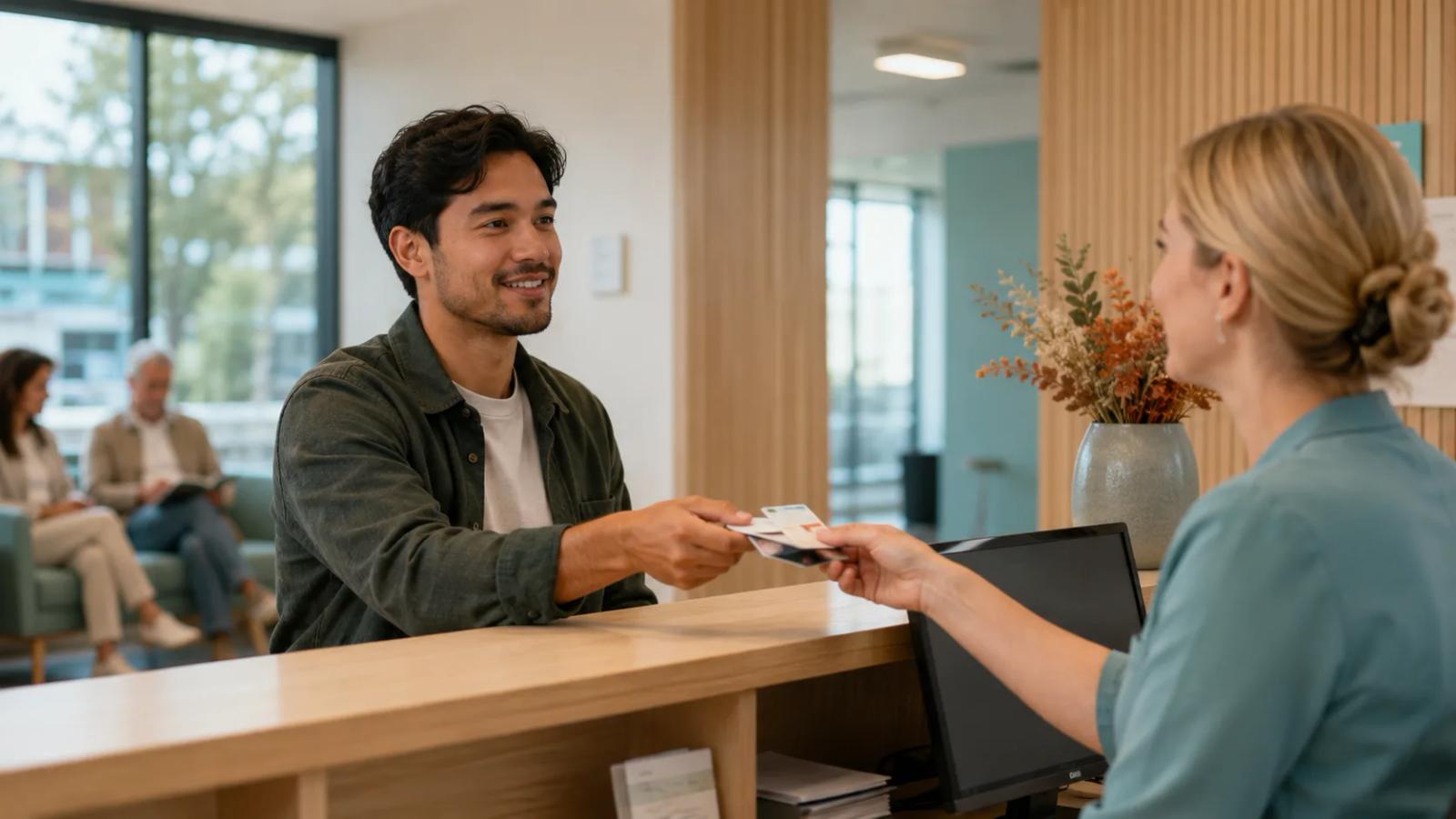
The Dutch healthcare system is built around the huisarts, or general practitioner, as the first point of contact for almost every health concern. Before you can book most appointments, refer yourself to a specialist, or get many prescriptions, you generally need to be registered with a GP practice near your home address.
This guide explains how registration works, what to prepare, and how to use the wider system correctly once you are enrolled.
Why Registration Matters So Much
Dutch GPs act as gatekeepers to the rest of the healthcare system: hospitals and specialists typically require a referral, and your registered GP is usually the one who provides it. Being unregistered does not just delay convenience appointments, it can also complicate access to non-emergency specialist care and continuity of your medical records.
What You Need to Register
- A valid form of identification for a one-time in-person check.
- Your BSN, the citizen service number linked to your municipal registration.
- Your Dutch health insurance details, including the insurer’s name and policy number.
- Ideally, a summary of relevant medical history and current medication from your previous doctor.
Most practices ask for these details either at an introductory meeting or during your first appointment, so having them ready avoids a second visit.
How to Find a Practice Near You
Because a GP needs to be able to reach your home within a reasonable emergency response time, practices generally only register patients who live within their defined catchment area. Search using your postcode on a national GP-finder site, ask neighbours or colleagues for recommendations, or check listings maintained by expat centres in your city.
English-speaking GPs exist throughout the country, since all Dutch doctors train to a common standard and many speak English well, but practices that market themselves as English-first are more concentrated in university cities such as Amsterdam, Utrecht, Leiden, Rotterdam and The Hague.
How to Register: Step by Step
- Shortlist two or three practices within your catchment area.
- Call or check the practice website to confirm they are currently accepting new patients.
- Ask whether an introductory meeting is offered; many practices welcome a short, free conversation before you commit.
- Complete the registration form, in person or online depending on the practice.
- Bring ID, your BSN and insurance details to your first in-person visit if not already verified.
- Ask how to book appointments, request repeat prescriptions, and reach the practice outside opening hours.
Your First Appointment
Bring a translated or English-language summary of relevant medical history, allergies and current medication if you have one; this saves time and reduces the risk of a detail being lost between languages. It is also a good moment to ask how the practice handles routine screenings, chronic condition management and referrals, so you understand the process before you actually need it.
GP, Pharmacy and Specialist: How They Connect
Your GP typically sends prescriptions electronically to a pharmacy of your choice, so registering with a nearby pharmacy alongside your GP is worthwhile. For most non-urgent specialist care, hospitals require a GP referral before booking, and your GP’s letter usually determines which department and urgency level you are triaged into.
Out-of-Hours and Emergency Care
Huisartsenpost
When your own practice is closed, evenings, nights and weekends are typically covered by a regional out-of-hours GP service known as the huisartsenpost. You usually call ahead rather than walking in, describe your symptoms, and are triaged into a phone consultation, in-person visit or referral to emergency care.
112
For a genuine emergency, life-threatening situation or serious accident, call 112 directly rather than routing through your GP first. Keep this number saved and understood by every member of your household, including children old enough to make a call.
Dutch Terms You Will Hear
- Huisarts: general practitioner.
- Praktijk: the GP practice or clinic.
- Verwijsbrief: referral letter to a specialist or hospital department.
- Herhaalrecept: repeat prescription, often requestable online or by phone.
- Huisartsenpost: the regional out-of-hours GP service.
- Assistente: the practice assistant who often triages calls before you reach the doctor.
If You Cannot Find a Practice
Some areas, particularly parts of larger cities, have practices with temporarily full patient lists. If several nearby options decline new patients, ask your municipality’s expat centre or the regional GP-finder service for current availability, and keep checking rather than assuming no options exist. Registering promptly after you have a fixed address and BSN puts you ahead of the situation before you actually need urgent, non-emergency care.
A GP registered near your real address is one of the most useful things you can arrange before you need it, not after.
Official Sources and Further Reading
Government.nl: Healthcare in the Netherlands
Thuisarts.nl: Dutch patient information (in Dutch)
Keep Your Healthcare Setup Organised With WelkomNL
WelkomNL helps you track health insurance, GP registration, pharmacy details and other settling-in essentials in one place, so the practical side of Dutch healthcare stays clear from your very first week.
Next step
Put this guidance into action inside the WelkomNL app
Keep your momentum going with the WelkomNL app and move from reading advice to taking practical action in one place.
The app is built to help newcomers in the Netherlands navigate jobs, local systems, and day-to-day next steps with more clarity.
Continue reading
Related articles
Bringing or Buying a Car in the Netherlands: Registration and Tax Guide 2026
Understand how to register a car in the Netherlands in 2026, including RDW registration, BPM, road tax rates for petrol, hybrid and electric cars, and insurance.

Setting Up Utilities in the Netherlands: Energy, Water and Internet in 2026
Set up gas, electricity, water and internet in your new Dutch home. Compare fixed and variable energy contracts, meter readings, providers and moving-in timing for 2026.

Parental Leave and Child Benefits in the Netherlands: 2026 Guide for Families
Understand Dutch maternity, partner and parental leave rules for 2026, how UWV payments work, and how kinderbijslag child benefit is calculated and paid.