
WelkomNL Blog
Volunteering in the Netherlands: How to Meet People and Find a Local Role
Build local connections through volunteering. Find suitable opportunities, ask about language and time commitments, and prepare for your first session in the Netherlands.
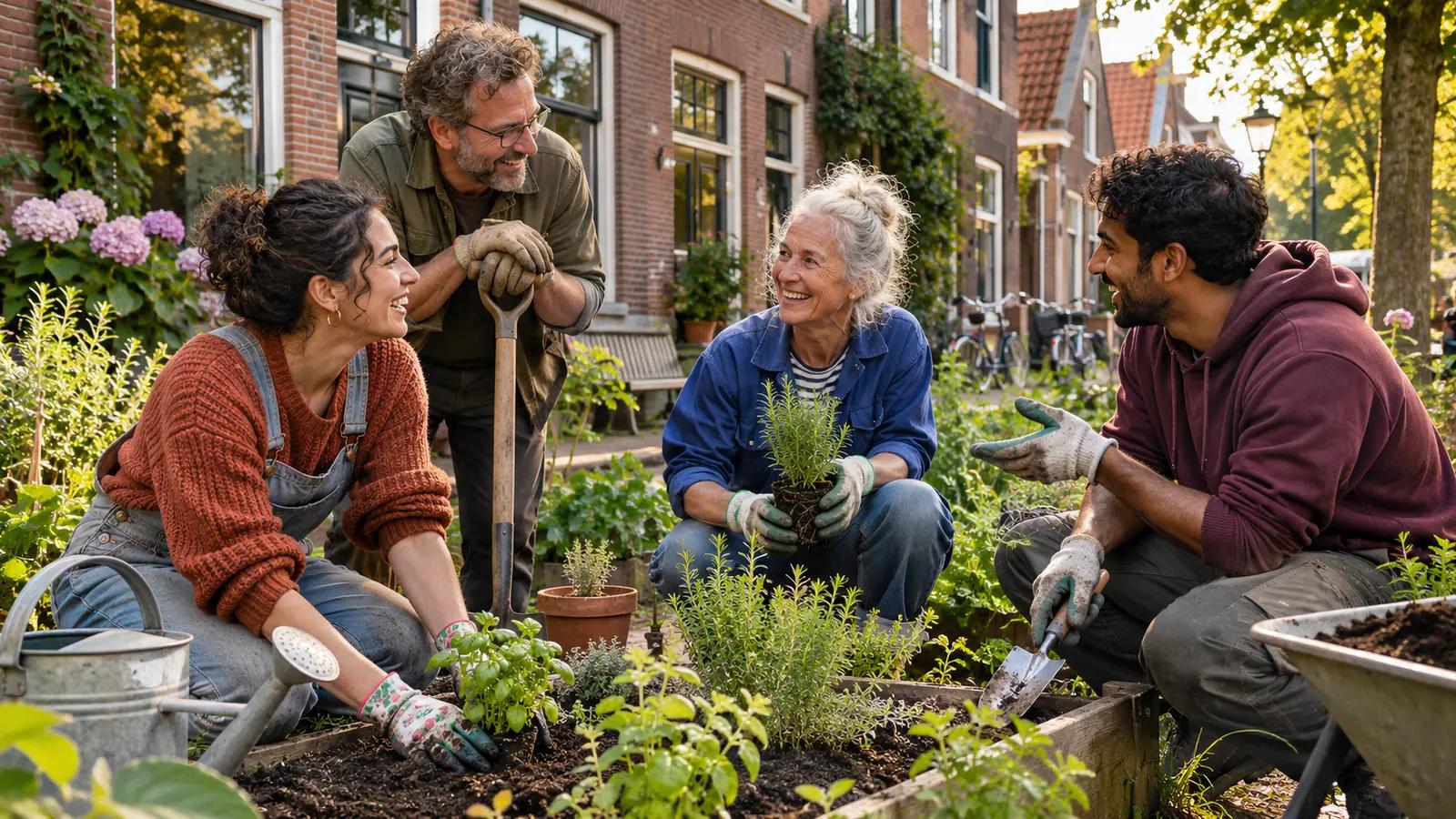
Meeting people after a move can feel like repeatedly introducing yourself without building a relationship. Volunteering gives you a different starting point: a shared task, familiar faces and a reason to come back. It can be a practical way to feel involved in your neighbourhood while contributing something useful.
The right role fits both the organisation’s needs and your actual capacity. You do not need to promise every weekend or speak perfect Dutch to begin, but you do need clear expectations. Treat the first conversation as a chance to check the fit rather than an obligation to accept.
Start with the kind of contact you want
Think about whether you prefer hands-on activity, conversation, administration, events or outdoor work. Community gardens, neighbourhood activities, cultural organisations and environmental projects can offer very different experiences. Choose a task you would still find worthwhile on a day when you do not make a new friend.
A recurring shift often helps relationships develop because you see the same people. A one-off activity can be a gentler introduction if your schedule is uncertain. Neither guarantees friendship, but both can create a natural reason to talk without the pressure of a formal networking event.
Where to find volunteer opportunities
Check your municipality’s volunteer information, a local volunteer centre or an organisation you already care about. Government guidance identifies all three as useful starting points. Volunteering.nl also provides an English-language route to opportunities and city information.
Search for vrijwilligerswerk with your town or neighbourhood name. Read the role description for the actual location, shift times and contact person. If an advertisement is unclear, send a short introduction explaining your availability, languages and interest in the task.
Ask about language before ruling yourself out
Some roles need strong Dutch because of safeguarding, safety instructions or contact with vulnerable people. Others can work in English or use mixed-language teams. Ask what level is necessary for the actual duties instead of interpreting a Dutch advertisement as an automatic rejection.
If you want to practise Dutch, agree that openly. You might learn task-related phrases before a session and ask one person to explain unfamiliar instructions. A volunteer organisation is not automatically a language school, so make sure you can perform the role safely while learning.
Clarify the commitment and support
- How often are shifts, and is there a minimum period?
- Who provides training and whom do you contact if you cannot attend?
- Are travel expenses reimbursed, and which receipts are required?
- What insurance or incident procedures cover the activity?
- Does the role require a VOG, references or specific safeguarding training?
Ask these questions before making a long-term promise. A clear two-hour weekly commitment is more useful than an enthusiastic offer you cannot sustain. If your work schedule changes frequently, an event-based role may fit better than a regular client-support assignment.
Check status and benefit conditions separately
Unpaid activity is not automatically outside immigration or benefit rules. If your residence status limits work, or you receive a benefit, ask the organisation and relevant authority which conditions apply before starting. Explain the duties, hours, organisation and any reimbursement so the answer is based on the actual role.
Genuine volunteering serves a social or public purpose and should not replace an ordinary paid job. Be cautious if a commercial business offers an unpaid trial with normal staffing duties and calls it volunteering. Ask for a clear role description and get advice if the arrangement seems inconsistent.
Make the first session easy to attend
- Confirm the exact meeting point, time and coordinator’s name.
- Ask about clothing, equipment, accessibility and anything you should bring.
- Allow travel time and let the coordinator know promptly if plans change.
- Introduce yourself to two people and learn their names.
- Before leaving, confirm the next session and ask one practical follow-up question.
Afterwards, notice whether the task, atmosphere and support suited you. You do not need to decide on the spot. If it was not a fit, thank the coordinator and explain what kind of activity you are seeking. A volunteer centre may suggest an alternative.
Build connection through consistency
Return when you say you will, show interest in other people’s contributions and let informal conversations develop. Suggest a coffee after a session when it feels natural, while respecting that others may have limited time. Belonging usually grows from repeated small interactions rather than a single perfect introduction.
WelkomNL can help you organise the practical side of settling in so there is room for community life too. Pair one manageable volunteer activity with your everyday routine and give the connection time to develop.
Related WelkomNL guide
Learning Dutch and civic integration
Official sources and further reading
Government.nl: Doing voluntary work in the Netherlands
Volunteering.nl: English-language opportunities and city information
Next step
Put this guidance into action inside the WelkomNL app
Keep your momentum going with the WelkomNL app and move from reading advice to taking practical action in one place.
The app is built to help newcomers in the Netherlands navigate jobs, local systems, and day-to-day next steps with more clarity.
Continue reading
Related articles

Orientation Year in the Netherlands: A Practical Zoekjaar Guide for Graduates
Explore the Dutch orientation year after graduation: check your route, organise documents, understand work permissions and plan your job search before the permit expires.

Municipal and Water Board Taxes in the Netherlands: Understanding Your Bills
Received an unfamiliar Dutch tax bill? Learn how municipal charges, water board taxes and drinking-water bills differ, what tenants should check and where to ask for help.

Dentists in the Netherlands: Finding Care, Costs and Insurance Explained
Find a dentist in the Netherlands, prepare for your first appointment, understand treatment estimates and check what basic or supplementary insurance actually covers.