
WelkomNL Blog
How to Avoid Phishing and Bank Scams in the Netherlands
Spot suspicious Dutch messages and calls, protect DigiD and banking access, verify urgent requests and know what to do if you have already shared information.
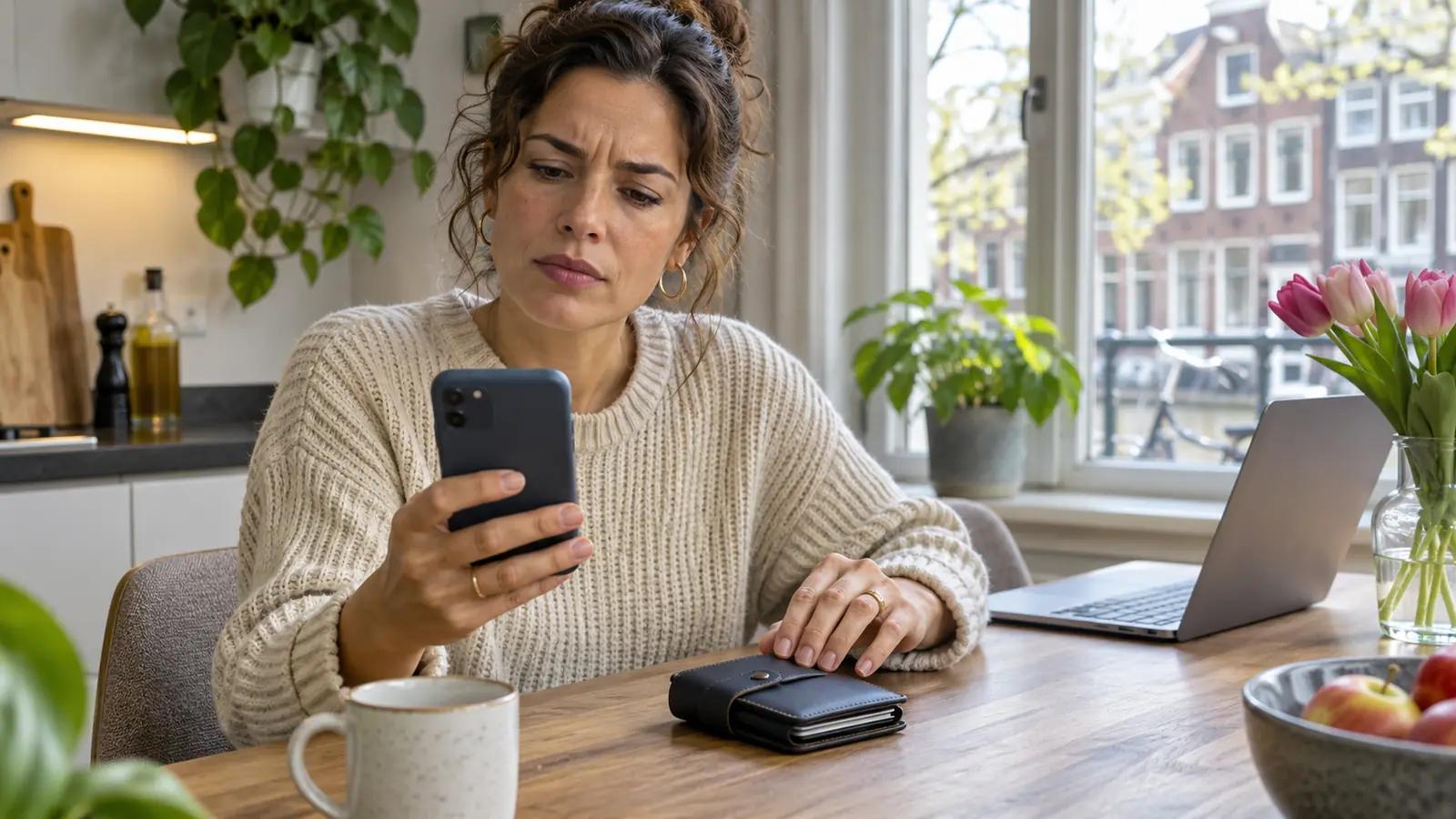
A parcel fee, a tax refund or a call about a suspicious transfer can sound especially convincing when you are still learning how Dutch services communicate. Scammers exploit that uncertainty. You do not need perfect Dutch to protect yourself; you need a repeatable way to verify a request before acting.
The central habit is to move the conversation to a channel you opened independently. An incoming message can tell you that something needs checking, but it should not decide where you log in, whom you call or which payment you approve.
Recognise the pressure before reading the details
Pause when someone combines urgency with a request for money, credentials or control of a device. Examples include an account supposedly closing today, a caller telling you to keep a fraud investigation secret or a message demanding a small payment to release a delivery. A professional tone and correct logo do not authenticate the sender.
Poor spelling can be a clue, but polished language is not proof of safety. A message can include your name or other familiar details without being genuine. Ask what action it wants you to take: share a code, scan a QR code, install software, approve a login or move money.
Use an independent verification route
- Stop the call or close the message without following its instructions.
- Open the service’s usual app or type its known official website yourself.
- Check the relevant account or contact support using details obtained independently.
- Explain the request and ask whether it is genuine before taking further action.
For a delivery, check tracking through the retailer or carrier account you already use. For a banking claim, use the bank’s own app or official contact route. Do not call a number supplied by the suspicious caller and treat that as a separate verification.
Protect DigiD without sharing access
DigiD gives access to sensitive government information. Keep its credentials and app PIN private and enable the supported extra login protection. If someone needs to handle an eligible government task for you, investigate DigiD Authorisation rather than handing over your own login.
DigiD says its employees never request your login credentials and its messages do not contain login links or QR codes. Check the actual browser address before entering information. If you started from an unexpected message, leave and begin again through the official service.
Be careful with fake bank-helpdesk calls
A caller may claim your money is in immediate danger and offer to solve the problem while you stay on the line. Treat requests to transfer funds to a supposedly safe account, share approval codes or give remote access as reasons to stop. Contact your actual bank before making any movement of money.
Do not approve a banking action merely because the caller describes it as a cancellation or verification. Read what the app says you are authorising. If you are uncertain, decline and ask the bank through its independent channel. A real concern can still be checked after you have ended an unsolicited conversation.
Already clicked? Match the response to what happened
There is a difference between opening a page and entering credentials or approving a transfer. Write down what you did, which accounts were involved and when it happened. If banking details or payments are involved, contact the bank immediately. Ask about blocking access, securing cards and investigating transactions.
If DigiD details may be compromised, follow DigiD’s fraud-or-abuse procedure promptly. Use a trusted device when securing accounts if someone had remote access to your computer. If you installed remote-control software, seek help to remove access while preserving evidence; do not casually wipe the device before asking about reporting.
Keep the original message, sender details, relevant screenshots and transaction references. Follow the police’s reporting instructions for the situation. Avoid sending sensitive evidence to strangers offering to recover money: recovery promises can become another scam.
Build a routine that works in any language
- Save official banking and government websites as your own bookmarks.
- Keep devices updated and use supported two-step authentication.
- Ask for help translating a request without sharing passwords or one-time codes.
- Discuss a household rule that nobody transfers money because of an unexpected call.
Does a small payment mean the risk is small?
No. A tiny fee can be a reason to collect card details or lead you into a fake login. Judge the route and request, not only the amount.
WelkomNL helps newcomers understand unfamiliar Dutch processes and find their next practical step. For suspicious financial or government messages, use the organisation’s official security channel directly; explaining a message and authorising an account action are separate tasks.
Related WelkomNL guide
Setting up DigiD for Dutch services
Official sources and further reading
DigiD: Recognise a fake message
Next step
Put this guidance into action inside the WelkomNL app
Keep your momentum going with the WelkomNL app and move from reading advice to taking practical action in one place.
The app is built to help newcomers in the Netherlands navigate jobs, local systems, and day-to-day next steps with more clarity.
Continue reading
Related articles

Orientation Year in the Netherlands: A Practical Zoekjaar Guide for Graduates
Explore the Dutch orientation year after graduation: check your route, organise documents, understand work permissions and plan your job search before the permit expires.
Municipal and Water Board Taxes in the Netherlands: Understanding Your Bills
Received an unfamiliar Dutch tax bill? Learn how municipal charges, water board taxes and drinking-water bills differ, what tenants should check and where to ask for help.

Dentists in the Netherlands: Finding Care, Costs and Insurance Explained
Find a dentist in the Netherlands, prepare for your first appointment, understand treatment estimates and check what basic or supplementary insurance actually covers.