
WelkomNL Blog
Public Transport in the Netherlands: OVpay, Trains and Buses Explained (2026)
Learn how Dutch public transport works in 2026, from OVpay check-ins and train transfers to subscriptions, missed check-outs, travel planning, bikes, and late-night journeys.
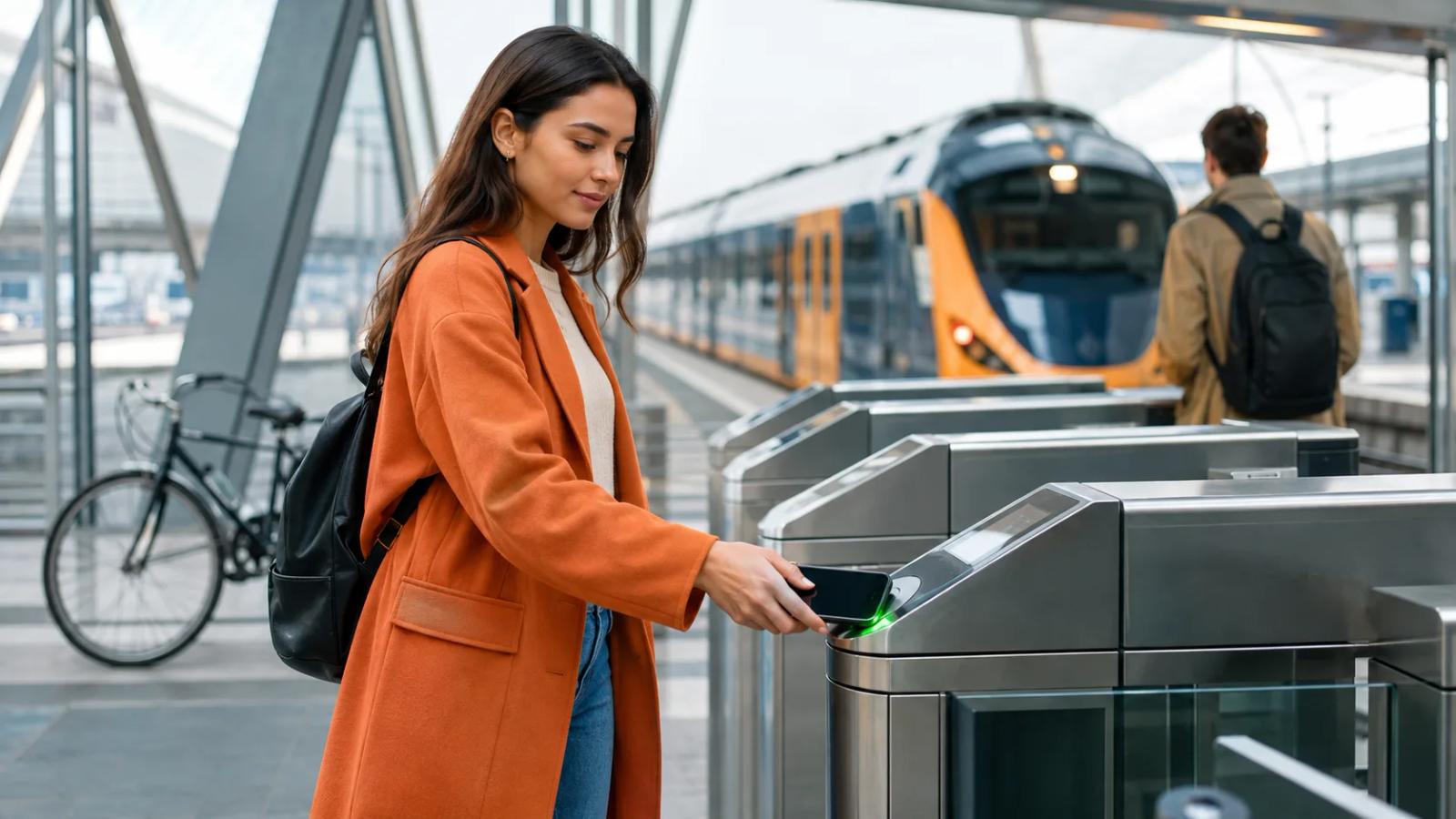
The Dutch public transport network is extensive, but its check-in rules can confuse even experienced travellers. The essential habit is simple: use one payment method for the whole journey, check in at the correct operator, and remember to check out.
In 2026, OVpay gives travellers several ways to access trains, buses, trams, and metros. This guide helps you choose the right one and avoid the mistakes that create unexpected charges.
Your Main Ways to Travel
- Contactless debit or credit card: tap a supported card directly at the reader. No registration or balance top-up is needed for ordinary travel.
- Phone or smartwatch: use the payment card stored in the device wallet. Treat the device as a separate card.
- OV-pas: the newer public-transport card designed as the successor to the OV-chipkaart and useful for travel products or people who prefer a dedicated card.
- OV-chipkaart: still works during the transition, but OVpay advises travellers to prepare for its replacement.
How Check-In and Check-Out Work
- Take the exact card or device you intend to use out of your wallet.
- Hold it against the reader until you receive a successful check-in signal.
- Travel to your destination and follow transfer rules if you change operator.
- Check out with the exact same card or device.
A physical bank card and the same card stored in Apple Pay or Google Wallet do not necessarily have the same payment token. If you check in with your phone and out with the plastic card, the system may see two separate journeys.
Train Gates, Poles and Operators
Larger stations often have gates; smaller stations may have free-standing poles. Do not assume walking through an open gate means you are checked in. Look for the operator name and the confirmation on the reader.
When changing between train companies, you may need to check out with the first operator and check in with the second. A normal connection within the same operator usually does not require an extra tap. Follow signs at the station and use the journey planner’s operator details.
Buses, Trams and Metros
On buses and many trams, readers are inside the vehicle. Tap when boarding and before leaving. Metro systems normally use station gates. Keep your payment method accessible but separate from other contactless cards to prevent card clash.
If a vehicle is replaced or a driver tells everyone to leave, check whether you have already been checked out automatically or need to tap. When unsure, note the time, route, and vehicle so support can find the trip.
Fares, Discounts and Subscriptions
Contactless travel is excellent for occasional journeys. Frequent commuters should compare subscriptions, off-peak products, employer travel schemes, and route-specific discounts. Do not buy a subscription based only on the monthly fee: calculate your real office days, peak times, and remote-work pattern.
Children, students, and older travellers may qualify for particular products or discounts. Eligibility and the payment method needed can differ, so confirm current conditions with the relevant operator or OVpay before travelling.
Planning a Journey
- Use a national journey planner or the operator’s app for live departures and platform changes.
- Check the last connection before an evening event; night service is much more limited outside major cities.
- Allow transfer time at unfamiliar stations, especially when changing train operators.
- Check planned engineering work at weekends and during holidays.
- For international trains, read the ticket instructions: an international barcode or ticket may replace the normal domestic check-in.
Travelling With a Bicycle
Folding bicycles are generally the easiest option, but conditions depend on whether the bike is folded and on the operator. Full-size bicycles on trains normally require a separate bicycle product and are restricted at busy times. Always use the designated bicycle area and check current peak-hour rules before departure.
What to Do After a Missed Check-Out
Do not tap randomly at another station. Review the trip in the OVpay app or the relevant operator account and use the correction process. OVpay says its app can show trips and help correct a missed check-in or check-out. Keep the reference shown on your bank statement if support asks for it.
Five Mistakes to Avoid
- Tapping a wallet containing several contactless cards.
- Checking in by phone and checking out with the physical card.
- Tapping the wrong train operator’s reader at a shared station.
- Assuming a bank notification is the final fare; some journey charges are processed later.
- Forgetting that each passenger needs a separate card or travel credential.
One journey, one traveller, one payment method—from the first check-in to the final check-out.
Official Sources and Further Reading
OVpay: Travelling with your payment card
Travel Smarter With WelkomNL
Use WelkomNL to keep your Dutch arrival checklist, transport guidance, and city essentials in one place. It is a practical companion for the small questions that appear between your front door and your destination.
Next step
Put this guidance into action inside the WelkomNL app
Keep your momentum going with the WelkomNL app and move from reading advice to taking practical action in one place.
The app is built to help newcomers in the Netherlands navigate jobs, local systems, and day-to-day next steps with more clarity.
Continue reading
Related articles
Bringing or Buying a Car in the Netherlands: Registration and Tax Guide 2026
Understand how to register a car in the Netherlands in 2026, including RDW registration, BPM, road tax rates for petrol, hybrid and electric cars, and insurance.

Setting Up Utilities in the Netherlands: Energy, Water and Internet in 2026
Set up gas, electricity, water and internet in your new Dutch home. Compare fixed and variable energy contracts, meter readings, providers and moving-in timing for 2026.

Parental Leave and Child Benefits in the Netherlands: 2026 Guide for Families
Understand Dutch maternity, partner and parental leave rules for 2026, how UWV payments work, and how kinderbijslag child benefit is calculated and paid.